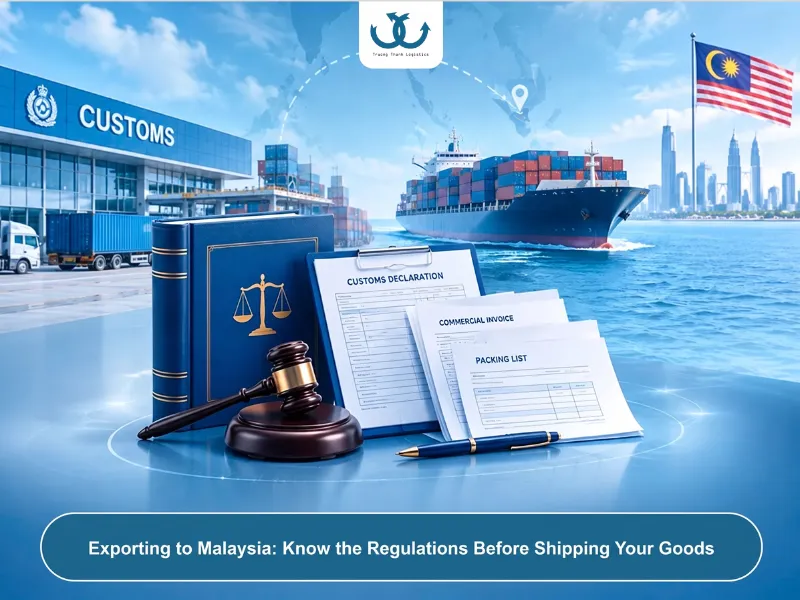
Malaysia is a promising market for Vietnamese goods. However, businesses need to understand the export procedures to Malaysia and relevant regulations before entering this market. Preparing the correct documents, understanding customs requirements, and checking import conditions can help ensure smooth shipments and minimize unexpected issues.
Legal Basis and Requirements for Exporting Goods to Malaysia
Legal Basis
- Law on Foreign Trade Management and Decree No. 292/2026/ND-CP: Regulate export rights, prohibited exports, conditional exports, and goods requiring export licenses. This decree replaced Decree No. 69/2018/ND-CP on September 5, 2026.
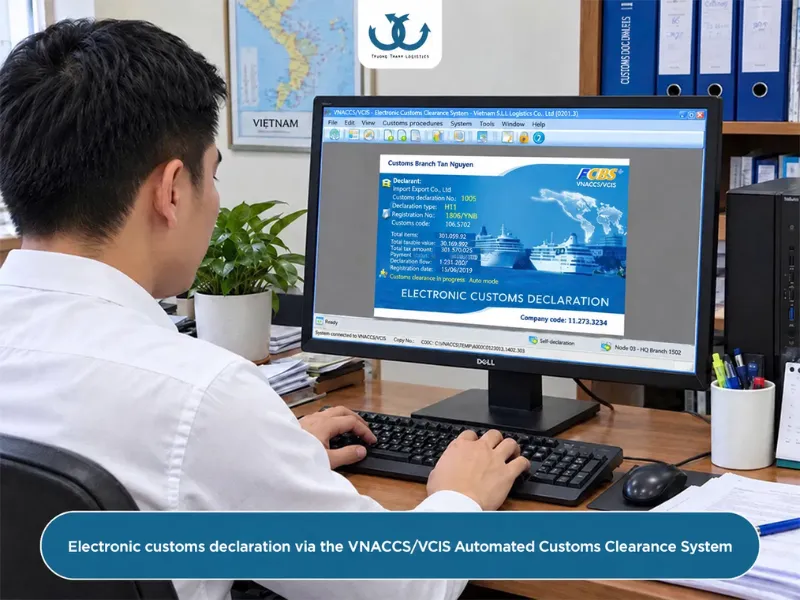
- Law on Customs and its guiding regulations: Provide the legal basis for customs declarations, document submission, and export clearance through Vietnam’s VNACCS/VCIS electronic customs system.
- ATIGA, RCEP, and rules of origin: Goods may qualify for preferential import tariffs in Malaysia if they meet the applicable rules of origin and have valid origin documents, such as C/O Form D under ATIGA or the relevant certificate under another trade agreement.
- Malaysia’s import regulations: Include requirements imposed by the Royal Malaysian Customs Department (RMCD), the HS/AHTN classification system, tariff schedules, prohibited or restricted imports, and specialized import licensing requirements.
Requirements for Exporting Businesses
- Business registration: Hold a valid Business Registration Certificate with business activities appropriate to the goods being exported.
- Tax identification number and digital signature: Have a registered corporate tax identification number and a digital signature for electronic customs declarations.
- Customs system access: Register for and be familiar with Vietnam’s VNACCS/VCIS electronic customs clearance system.
- Eligible goods: Ensure that the goods are not prohibited or temporarily suspended from export under Vietnamese law.
Product Requirements and Special Certifications for Malaysia
- Certificate of Origin (C/O Form D): Used to claim preferential tariffs for eligible goods traded within ASEAN.
- Halal certification: Relevant to Halal products, particularly food, beverages, and cosmetics marketed or labeled as Halal in Malaysia. Businesses should check the applicable Malaysian requirements for their specific products.
- Technical standards, SIRIM, and Malaysian Standards (MS): Certain electronic products, construction materials, and consumer goods may need to comply with Malaysian Standards or obtain certification from SIRIM.
- Product labeling: Ensure that labels clearly state the country of origin and other information required under Malaysian regulations, including importer details where applicable.
Documents Required for Exporting Goods to Malaysia
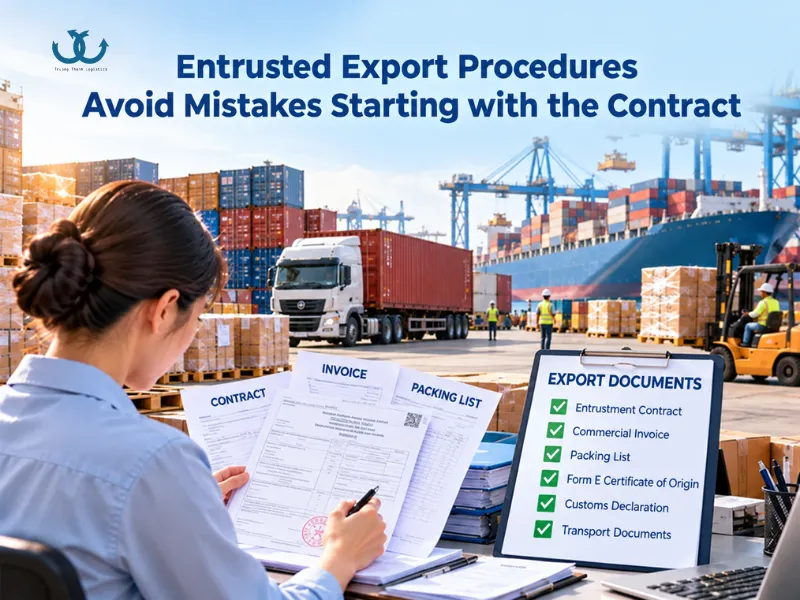
A standard commercial export shipment generally requires the following documents:
- Sales Contract: Specifies the buyer and seller, goods, quantities, prices, and delivery terms.
- Commercial Invoice: States the transaction value and agreed delivery terms.
- Packing List: Details the number of packages, weight, and packing specifications.
- Export Customs Declaration: Submitted electronically through the customs system.
- Bill of Lading (B/L) or Air Waybill (AWB): Serves as the transport document for sea or air freight.
- C/O Form D: Prepared when proof of origin is required or preferential tariffs are being claimed.
- Specialized documents: May include quarantine certificates, Halal certification, or product-specific permits, depending on the goods.
Note: C/O Form D is not a mandatory document for export customs clearance. It allows the Malaysian importer to claim preferential tariff treatment under ATIGA when the goods satisfy the applicable origin requirements. Businesses should not confuse Form D with Form AK, which applies to trade between ASEAN and South Korea.
The issuance of C/O Form D is governed by Circular No. 19/2020/TT-BCT dated August 14, 2020, as amended by Circular No. 10/2022/TT-BCT dated June 1, 2022. The previous version of Form D ceased to be issued on November 1, 2022. If a C/O is issued after the export date, box 13 should be marked “Issued Retroactively.”
Step-by-Step Process for Exporting Goods to Malaysia
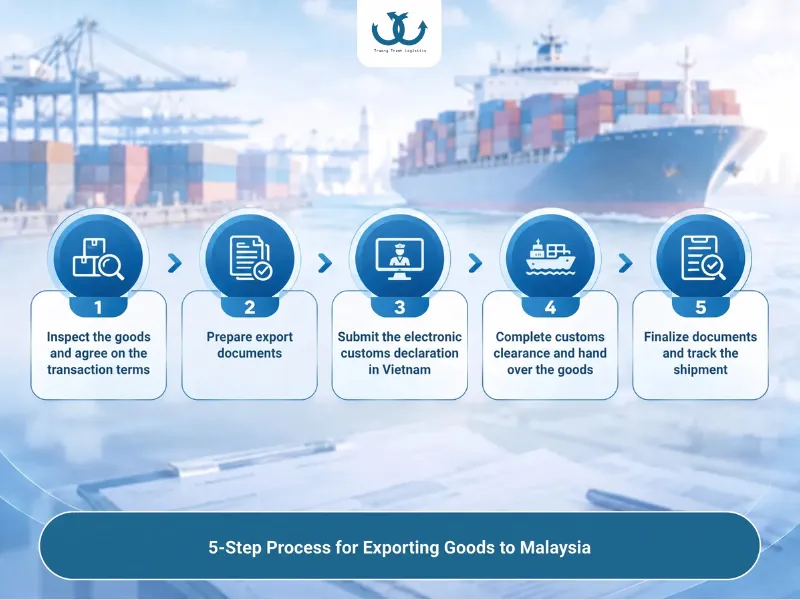
Step 1: Check the Goods and Agree on Transaction Terms
Identify the product name, intended use, provisional HS code, quantity, and value. Both parties should agree on delivery terms, payment deadlines, and required documents. If the goods are subject to specialized management, check the applicable licensing requirements before export.
Step 2: Prepare Export Documents
Prepare the sales contract, commercial invoice, packing list, and other relevant documents. Product descriptions, quantities, weights, and values must be consistent across all documents. If preferential tariffs are sought in Malaysia, verify the applicable rules of origin before applying for the appropriate C/O.
Step 3: Submit an Electronic Customs Declaration in Vietnam
The exporter or its customs service provider submits an electronic declaration containing information about the goods, HS code, customs value, and export type. After submission, customs authorities assign a clearance channel, which determines whether documents or the physical shipment require inspection. Additional information must be provided if requested.
>>> Read more: Export Procedures for Goods to Europe: Requirements and Process in 2026
Step 4: Complete Customs Clearance and Handover the Goods
Once customs requirements are satisfied, complete export clearance and deliver the goods to the designated port or airport according to schedule.
For sea freight, coordinate container loading, port delivery, and the shipping line’s cargo cut-off time. For air freight, pay attention to cargo acceptance deadlines, packaging specifications, and aviation security requirements.
Step 5: Finalize Shipping Documents and Track the Shipment
After the carrier accepts the goods, obtain the transport document and send the required document set to the business partner as agreed. Track the vessel or flight schedule, update delivery status, and coordinate with the Malaysian importer to prepare for import customs clearance.
Tips to Minimize Risks When Exporting Goods to Malaysia
- Use the correct HS code: Incorrect classification may result in errors in product policies, tariff rates, or required documentation.
- Check import requirements before shipping: This is particularly important for food, agricultural products, goods of animal origin, and other regulated items.
- Keep documents consistent: Product descriptions, quantities, weights, and values must match across the sales contract, invoice, packing list, and customs declaration.
- Verify ATIGA preferential tariff eligibility: Do not apply for a C/O based solely on the country where the goods were manufactured. Check the specific rules of origin applicable to the product.
- Clarify responsibilities under Incoterms: Determine which party is responsible for freight, insurance, import clearance, and additional charges at the destination port.
Truong Thanh Logistics: Professional Export Procedures Support for Malaysia
If your business needs to export goods but is unfamiliar with Malaysian market regulations, Trường Thành Logistics provides comprehensive support for export procedures to Malaysia.
Our team can assist with:
- Product policy checks: Identify HS codes, export conditions, and any applicable licensing requirements.
- Document preparation: Review commercial invoices, packing lists, and export documentation to minimize inconsistencies and errors.
- Customs declarations: Handle export customs procedures in Vietnam based on the actual shipment documents.
- C/O Form D support: Advise on rules of origin and prepare application documents for preferential tariff treatment under ATIGA when the goods meet the applicable requirements.
- International freight forwarding: Recommend suitable transportation options based on cargo characteristics and delivery schedules.
- Shipment tracking: Coordinate with relevant parties, provide shipment updates, and assist in resolving unexpected issues.
With a team of more than 100 experienced professionals, an extensive network of over 200 agents, and offices in Hanoi, Hai Phong, Da Nang, and Ho Chi Minh City, Trường Thành Logistics provides tailored logistics solutions to support businesses throughout the export process.
Contact our team to discuss your shipment requirements and find a suitable export solution.
Frequently Asked Questions About Export Procedures to Malaysia
Is C/O Form D mandatory for exporting goods to Malaysia?
No. C/O Form D is not mandatory for export customs clearance. However, the Malaysian importer may request it to claim preferential tariff treatment under ATIGA, provided the goods meet the applicable rules of origin.
Do food products exported to Malaysia require Halal certification?
Not all food products exported to Malaysia require Halal certification. The requirement applies to products marketed, labeled, or declared as Halal under the relevant Malaysian regulations. Businesses should verify the specific requirements for their products before shipping.
How long does it take to complete export procedures to Malaysia?
The overall process generally takes around 7–10 days for sea freight and 1–5 days for air freight. Actual transit times depend on the shipping schedule, route, customs clearance, cargo type, and documentation requirements. These estimates should not be treated as guaranteed customs processing times.
To export goods to Malaysia successfully, businesses should prepare complete documentation, check product-specific regulations, follow Vietnamese customs procedures, and verify eligibility for preferential tariffs where applicable.
If your business lacks experience in export documentation or international freight coordination, Trường Thành Logistics can assist with document checks, customs declarations, and international transportation.
Send us your shipment details today for consultation on export procedures to Malaysia!
TRUONG THANH LOGISTICS – Professional and Dedicated Logistics Services
Hotline: +84 915 36 38 39
Head Office: 5th Floor, Tower A, Song Da Building, Pham Hung Street, Tu Liem Ward, Hanoi, Vietnam.
Email: sale@truongthanhjsc.com / info@truongthanhlogistics.com
Website: https://truongthanhlogistics.com/en/
HAI PHONG BRANCH
Address: Room C103, TTC Building, 630 Le Thanh Tong Street, Hai An District, Hai Phong, Vietnam.
DA NANG BRANCH
Address: 126 Chau Thi Vinh Te Street, Ngu Hanh Son Ward, Da Nang, Vietnam.
HO CHI MINH CITY BRANCH
Address: Room 41, 4th Floor, Casanova Building, 85 Nguyen Son Street, Phu Thanh Ward, Ho Chi Minh City, Vietnam.
Facebook: TRUONG THANH LOGISTICS