Fast, safe, and cost-effective cargo transportation is always a top priority for businesses. Among various international transport modes, sea freight continues to hold a crucial position and is widely chosen by companies.
This article analyzes why sea freight remains the leading option in international logistics.
1. Significantly Lower Transportation Costs Compared to Other Modes
Cost is always a decisive factor when businesses choose a transportation method. Sea freight is favored thanks to its competitive pricing and its ability to optimize budgets for large shipments.
Specifically:
- More economical than air freight: Businesses can save approximately 50–70% in costs compared to transporting the same volume of goods by air.
- Optimized for large shipments: Sea containers can carry tons or even tens of tons of cargo in a single shipment, significantly reducing the cost per unit.
- Stable costs: Long-term contracts and fixed shipping routes allow businesses to forecast expenses accurately and plan finances more effectively.
Lower costs make sea freight the preferred choice for bulky and high-volume cargo.
2. Capability to Transport Large Volumes and a Wide Range of Goods
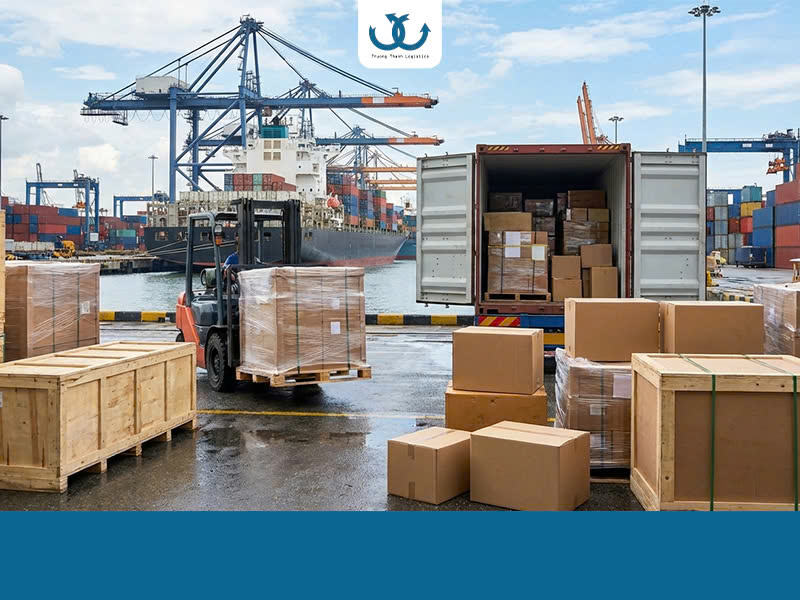
One of the greatest advantages of sea freight is its ability to carry extremely large volumes and diverse types of cargo—far exceeding the capacity of other transport modes such as air freight or international road transport. This enables businesses to remain flexible in import–export activities while optimizing transportation costs.
- Bulk cargo: Grains, coal, cement, chemicals, etc.
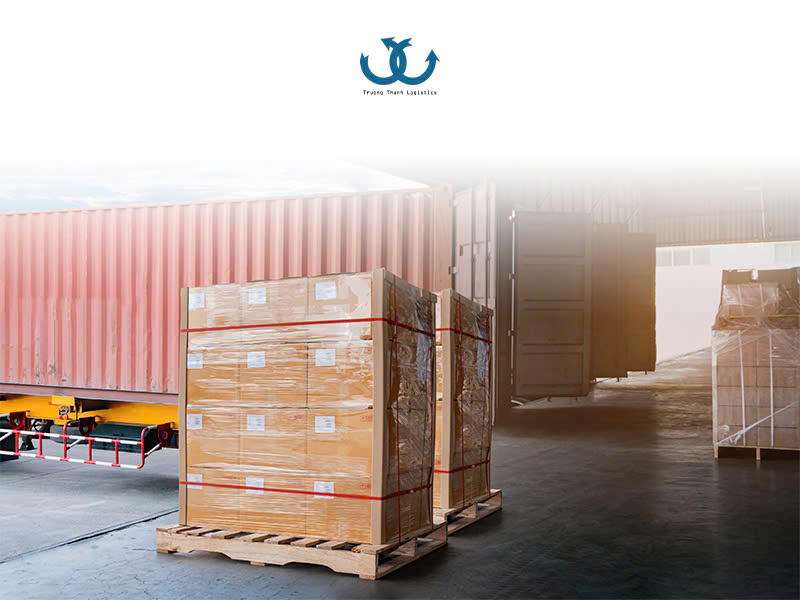
- Containerized cargo: Consumer goods, electronic equipment, agricultural products, processed foods.
- Oversized and heavy cargo: Industrial machinery, construction equipment, vehicles.
With virtually no limitations on volume or size, businesses gain greater flexibility in international trade.
3. Safety and Stability in Transportation
Another key reason sea freight remains a preferred option is its high level of safety and stability throughout the transportation process. This is especially important for high-value goods, fresh agricultural products, or perishable items.
- Standardized transport systems: Sealed containers are impact-resistant and capable of withstanding harsh weather conditions.
- Reduced risk of damage: Cargo packed in containers is protected from environmental exposure, minimizing the risk of deterioration.
- Easy monitoring and insurance: GPS tracking and cargo insurance provide businesses with peace of mind regarding loss or damage.
Sea freight is an optimal choice for high-value goods or cargo sensitive to impact.
4. Ideal for Long and Complex International Routes
Sea freight stands out for its ability to transport goods across long international routes, including intercontinental shipments, while maintaining safety, reasonable costs, and logistical efficiency. This is why many import–export businesses choose sea freight as their primary transportation mode.
- Well-suited for long-distance international routes, especially intercontinental trade.
- Access to most major seaports worldwide, from the United States and Europe to Southeast Asia, China, and Australia.
- Not constrained by airport infrastructure, making it suitable for regions with underdeveloped aviation facilities.
5. Flexibility in Service Options and Transportation Types
Sea freight is highly adaptable, meeting a wide range of import–export needs—from small shipments to large-scale projects, from consumer goods to specialized industrial equipment. This flexibility helps businesses optimize costs, time, and operational efficiency.
- Full Container Load (FCL): Renting an entire container, suitable for large shipments.
- Less than Container Load (LCL): Sharing container space, optimizing costs for smaller shipments.
- Bulk or oversized cargo: Project-based transportation with flexible scheduling and cargo types.
This flexibility allows businesses to manage both costs and delivery timelines more effectively.
6. Compatibility with Global Logistics Solutions
One of the most important reasons sea freight remains a top priority is its seamless integration with global logistics solutions, enabling businesses to manage cross-border supply chains efficiently, safely, and cost-effectively.
6.1. Integration with Door-to-Door Services
Sea freight can easily be combined with door-to-door delivery services, from the exporter’s warehouse to the customer’s warehouse or final distribution center.
- Covers all stages: cargo handling, transportation, customs clearance, interim warehousing, and final delivery.
- Businesses do not need to coordinate multiple intermediaries, reducing the risk of loss, delays, and unexpected costs.
Example: An agricultural exporter shipping goods to the U.S. can use a door-to-door service that includes refrigerated container transport, customs clearance, and delivery to the customer’s warehouse, ensuring freshness and on-time delivery.
6.2. Integration with International Warehousing and Distribution Centers
Sea freight connects seamlessly with global warehousing networks and distribution centers, enabling efficient storage, distribution, and inventory management.
- Modern logistics systems optimize warehouse space, reduce storage costs, and accelerate inventory turnover.
- Particularly suitable for complex supply chains, especially in consumer goods, food products, agricultural goods, and pharmaceuticals.
Example: A fruit shipment exported to Europe can be transported in refrigerated containers, temporarily stored at a port warehouse, and then distributed to supermarkets or retail outlets, all under strict monitoring.
6.3. Integration with Customs and Import–Export Documentation Services
Sea freight integrates easily with customs clearance, issuance of certificates of origin (C/O), certificates of quality (C/Q), inspection documents, and international legal procedures.
- Businesses do not need to worry about coordinating with multiple authorities, time-consuming processes, or additional documentation requests.
- Standardized procedures help reduce clearance time and minimize the risk of penalties or delays.
6.4. Support for Global Supply Chain Management and Monitoring
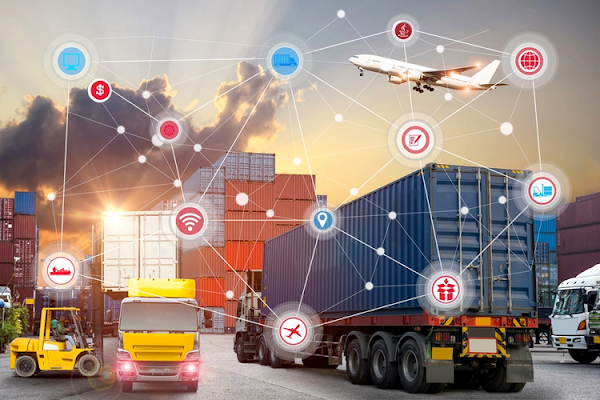
Many logistics companies provide online monitoring tools for sea freight shipments, including vessel location, container temperature, loading status, and estimated time of arrival.
- Enables businesses to track shipments in real time, anticipate risks, and adjust plans promptly.
- Especially critical for high-value, sensitive, or short-shelf-life goods such as food, pharmaceuticals, and fresh agricultural products.
Thanks to these advantages, sea freight continues to hold a strategic position in international logistics—helping businesses reduce costs, ensure product quality, and expand their global import–export markets.
Contact us today for expert consultation on efficient, fast, and cost-effective sea transport solutions tailored to your business needs.
Trường Thành Logistics – Professional & Dedicated
Hotline: +84 915 36 38 39
Head Office: 5th Floor, Tower A, Song Da Building, Pham Hung Street, Tu Liem Ward, Hanoi, Vietnam.
Email: sale@truongthanhjsc.com
info@truongthanhlogistics.com
Website: https://truongthanhlogistics.com
HAI PHONG BRANCH
Address: Room C103, TTC Building, 630 Le Thanh Tong Street, Hai An Ward, Hai Phong City, Vietnam.
DA NANG BRANCH
Address: 126 Chau Thi Vinh Te Street, Ngu Hanh Son Ward, Da Nang City, Vietnam.
HO CHI MINH CITY BRANCH
Address: Room 41, 4th Floor, Casanova Building, 85 Nguyen Son Street, Phu Thanh Ward, Ho Chi Minh City, Vietnam