The United States is one of the world’s largest fruit consumption markets, with an increasing demand for fresh pomelos. However, penetrating this market involves more than just logistics; it requires strict adherence to food safety, quarantine, and import-export regulations.
To succeed in this market, businesses must thoroughly understand the following factors:
1. Understanding U.S. Import Requirements
Before exporting, enterprises must conduct in-depth research on the regulations set by the Animal and Plant Health Inspection Service (APHIS) under the USDA and the Food and Drug Administration (FDA):
Phytosanitary Quarantine: Pomelos must be inspected to ensure they are free from pests, molds, or dangerous pathogens.
Pesticide Restrictions: The U.S. maintains a strict list of Maximum Residue Limits (MRLs) for pesticides and fertilizers.
Product Labeling: Labels must include the product name, origin, manufacturer information, packing date, and storage instructions.
Certificates: Businesses must provide a Phytosanitary Certificate issued by Vietnamese plant quarantine authorities.
Note: Comprehensive compliance helps mitigate the risk of shipment rejection or penalties at U.S. ports of entry.
2. Varietal Selection and Fruit Quality
The U.S. market prefers fresh pomelos with uniform size, appealing color, and a balanced flavor profile. Businesses should:
Select suitable export varieties (e.g., Green-skinned pomelo, Nam Roi pomelo) with an optimal sugar-to-acid ratio.
Harvest at the correct maturity stage; avoid under-ripe or over-ripe fruit.
Quality Control: Ensure fruit is free from scratches, cracks, wilting, or decay.
Use specialized packaging and corrugated cartons to protect the fruit during long-transit periods.
3. Transportation and Preservation of Fresh Pomelos
Logistics is a critical phase, as fresh produce is highly susceptible to spoilage.
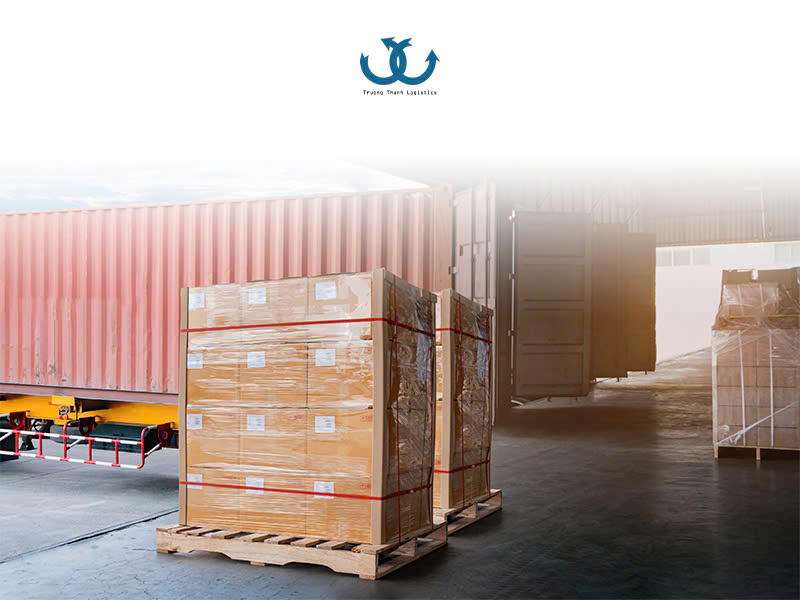
Sea Freight: Cost-effective but involves long transit times (approx. 20–30 days). Reefer containers are mandatory, maintaining temperatures at 8–12°C and humidity at 85–90%.
Air Freight: Faster (2–5 days) but significantly more expensive. Best suited for small, high-value batches requiring maximum freshness.
Pre-export Treatment: Apply methods such as ethylene management (to prevent premature ripening), pest control, and surface sanitation.
4. Customs Procedures and Documentation
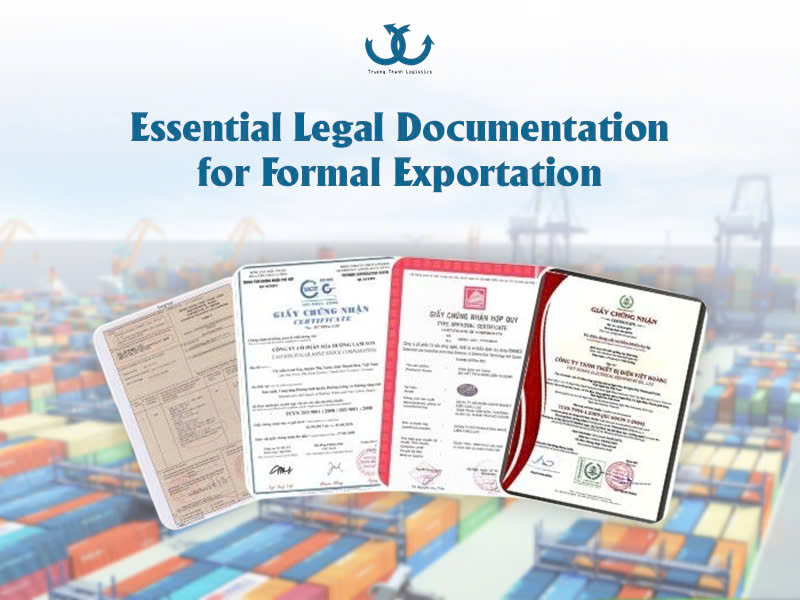
The U.S. enforces rigorous standards for agricultural imports. Essential documentation includes:
Commercial Invoice
Packing List
Phytosanitary Certificate
Certificate of Origin (C/O)
Bill of Lading (B/L)
Prior Notice: Filing with the FDA before the shipment arrives.
Any documentation errors can result in port delays, additional costs, or forced re-export.
5. Compliance with FDA Labeling and Standards
FDA regulations are non-negotiable for ensuring food safety and consumer transparency:
Labels must be clear, legible, and written in English.
Prohibited preservatives or artificial colors must not be used.
Enterprises should be ready to provide analytical reports for pesticide residues and irrigation water quality upon request by U.S. Customs.
6. Selecting a Reputable Logistics Provider
Exporting fresh produce requires a partner with specialized expertise. Businesses should choose providers who:
Have a proven track record of exporting perishables to the U.S.
Can guarantee Cold Chain integrity throughout the journey.
Offer support in completing complex paperwork, including C/O, C/Q, and customs clearance.
7. Optimizing Costs and Lead Times
To enhance competitiveness, businesses must streamline their supply chain:
Strategic Planning: Use sea freight for bulk shipments and air freight for samples or urgent orders.
Advanced Equipment: Utilize high-quality reefer containers with continuous temperature and humidity monitoring (IoT tracking).
Trade Agreements: Leverage available Free Trade Agreements (FTAs) to benefit from preferential tariffs.
Conclusion Exporting fresh pomelos to the U.S. offers significant opportunities but demands high precision. Only by strictly adhering to U.S. import regulations and optimizing every stage of the export process can Vietnamese pomelos successfully penetrate this demanding market and build a sustainable international brand.
Trường Thành Logistics – Professional & Dedicated
Hotline: +84 915 36 38 39
Head Office: 5th Floor, Tower A, Song Da Building, Pham Hung Street, Tu Liem Ward, Hanoi, Vietnam.
Email: sale@truongthanhjsc.com
info@truongthanhlogistics.com
Website: https://truongthanhlogistics.com
HAI PHONG BRANCH
Address: Room C103, TTC Building, 630 Le Thanh Tong Street, Hai An Ward, Hai Phong City, Vietnam.
DA NANG BRANCH
Address: 126 Chau Thi Vinh Te Street, Ngu Hanh Son Ward, Da Nang City, Vietnam.
HO CHI MINH CITY BRANCH
Address: Room 41, 4th Floor, Casanova Building, 85 Nguyen Son Street, Phu Thanh Ward, Ho Chi Minh City, Vietnam