Exporting processed wood to South Korea represents a high-potential market, yet it comes with stringent requirements regarding quality control, documentation, and technical standards. For enterprises lacking export experience or legal eligibility, export entrustment services have become the optimal choice to ensure smooth customs clearance, mitigate risks, and optimize costs.
The following article provides insights into why businesses should utilize export entrustment for processed wood to South Korea and outlines the professional process at Truong Thanh Logistics.
1. Why Vietnamese Processed Wood Holds Great Potential in South Korea
South Korea maintains steady demand for Vietnamese wood products, including:
-
Plywood and MDF boards
-
Semi-finished furniture
-
Wooden pallets and laminated timber
-
Decorative and construction wood
Key advantages of Vietnamese wood:
-
Competitive pricing and stable supply chains.
-
Standardized processing meeting fumigation and phytosanitary requirements.
-
Tariff incentives from Vietnam–Korea free trade agreements (VKFTA/AKFTA).
However, to penetrate this market, businesses must strictly adhere to South Korean import regulations, particularly within the timber industry
2. Challenges in Self-Exporting Wood to South Korea
While the opportunity is vast, enterprises managing the entire process independently often face obstacles due to legal disparities and rigorous quarantine procedures. Common challenges include:
2.1. Strict Quarantine and Quality Standards
South Korea enforces tight controls to protect its ecosystem and consumers.
-
Phytosanitary Requirements (NPQS): Requires clear certification of origin, wood species, and pre-export treatments (fumigation, kiln-drying).
-
Pest Control: Specific wood types prone to pests must undergo mandatory fumigation.
-
Technical Specs: Moisture content, dimensions, and surface durability must align with Korean standards. Minor deviations can lead to clearance rejection or forced re-export.
2.2. Complex Licensing and Documentation
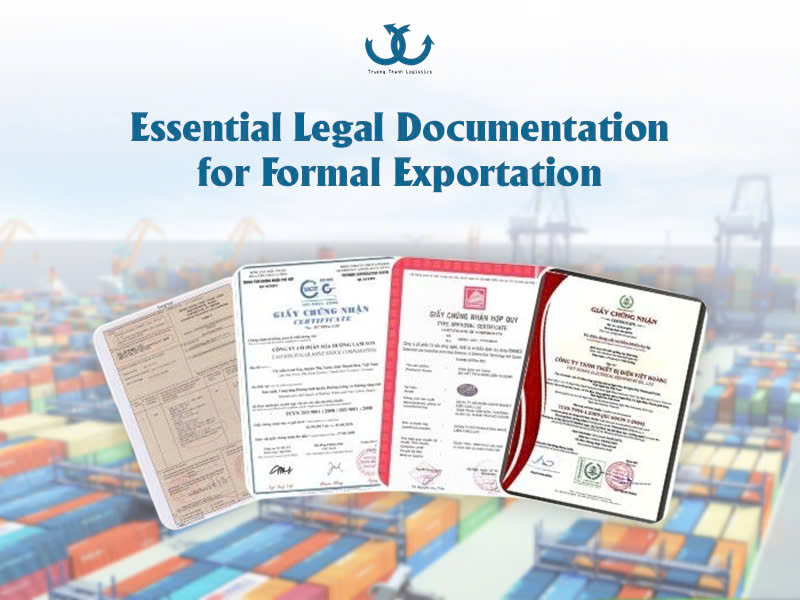
Exporting wood involves a mountain of paperwork:
-
Logging permits or proof of legal origin.
-
Phytosanitary certificates.
-
Fumigation Certificates.
-
Commercial Invoices and Packing Lists.
-
CO/CQ (Certificate of Origin/Quality) as per partner requirements.
-
FTA-related documentation for preferential tariffs.
Inexperienced firms often face delays due to incomplete files, incorrect document formats, or failure to update new regulatory changes.
2.3. Increasingly Stringent Traceability
To prevent illegal logging, South Korea applies strict controls under the Act on the Sustainable Use of Timbers. Enterprises must:
-
Prove legal origin and provide supply chain documentation.
-
Provide FSC certification if requested by partners.
-
Maintain transparent warehouse and factory management.
2.4. Lack of International Negotiation Experience
Transactions with Korean partners typically require:
-
Clear INCOTERMS.
-
Secured payment terms (L/C or milestone-based T/T).
-
Strict commitments on moisture levels and packaging specifications.
Without specialized experience, Vietnamese firms may face price squeezing, payment risks, or post-delivery quality disputes.
2.5. Logistics Costs and Volatility
Although the route to South Korea is relatively short, costs can fluctuate due to seasonal freight hikes and various surcharges (FUMI, cleaning fees, demurrage, and detention).
2.6. Customs Risks at Korean Ports
Ports like Busan, Incheon, and Pyeongtaek have rigorous inspection protocols. If origin is doubted or moisture levels are exceeded, goods are moved to specialized treatment zones, incurring massive storage fees.
2.7. Language Barriers and Workflow Differences
Technical standards and quarantine forms are often in Korean. Misinterpretation can lead to formatting errors and communication delays, resulting in missed shipping schedules.
3. Benefits of Using Export Entrustment Services
3.1. Legal Compliance and Risk Mitigation
Entrustment agencies provide expert consultancy on permits and technical standards before production, ensuring all documentation—from phytosanitary to fumigation—is standardized for both Vietnamese and Korean customs.
3.2. Optimized Logistics and Freight Costs
With direct relationships with shipping lines and container consolidation expertise, entrustment providers offer:
-
Competitive freight rates.
-
Proactive shipping schedules.
-
Reduction of incidental costs (detention, storage, and amendment fees).
3.3. Quality Control and Technical Oversight
Agencies understand South Korean regulations regarding moisture content, packaging specs, and FSC traceability, assisting in pre-shipment inspections to minimize quality claims.
3.4. Negotiation and Contract Support
They assist in selecting Incoterms, verifying payment terms (L/C, T/T), and reviewing contracts to protect the exporter’s interests.
3.5. Operational Efficiency
By outsourcing the “paperwork” and logistics, businesses can focus 100% of their resources on production and scaling.
4. Truong Thanh Logistics – Safe & Efficient Export Entrustment Solutions
As South Korea tightens standards, Truong Thanh Logistics stands as a professional partner, having successfully supported hundreds of wood exporters.
-
Deep Regulatory Expertise: Expert knowledge of NPQS (Korea), kiln-drying standards, and the Act on the Sustainable Use of Timbers.
-
End-to-End Service: We handle everything from product consulting and fumigation to booking, customs clearance, and overseas partner coordination.
-
Freight Optimization: Competitive sea freight rates and stable schedules to Busan, Incheon, and Gwangyang.
-
Transparency & Commitment: Clear quotations, transparent processes, and dedicated support until the cargo is successfully cleared.
Truong Thanh Logistics offers a standardized, cost-effective solution for enterprises of all sizes looking to enter the South Korean market professionally.
Trường Thành Logistics – Professional & Dedicated
Hotline: +84 915 36 38 39
Head Office: 5th Floor, Tower A, Song Da Building, Pham Hung Street, Tu Liem Ward, Hanoi, Vietnam.
Email: sale@truongthanhjsc.com
info@truongthanhlogistics.com
Website: https://truongthanhlogistics.com
HAI PHONG BRANCH
Address: Room C103, TTC Building, 630 Le Thanh Tong Street, Hai An Ward, Hai Phong City, Vietnam.
DA NANG BRANCH
Address: 126 Chau Thi Vinh Te Street, Ngu Hanh Son Ward, Da Nang City, Vietnam.
HO CHI MINH CITY BRANCH
Address: Room 41, 4th Floor, Casanova Building, 85 Nguyen Son Street, Phu Thanh Ward, Ho Chi Minh City, Vietnam