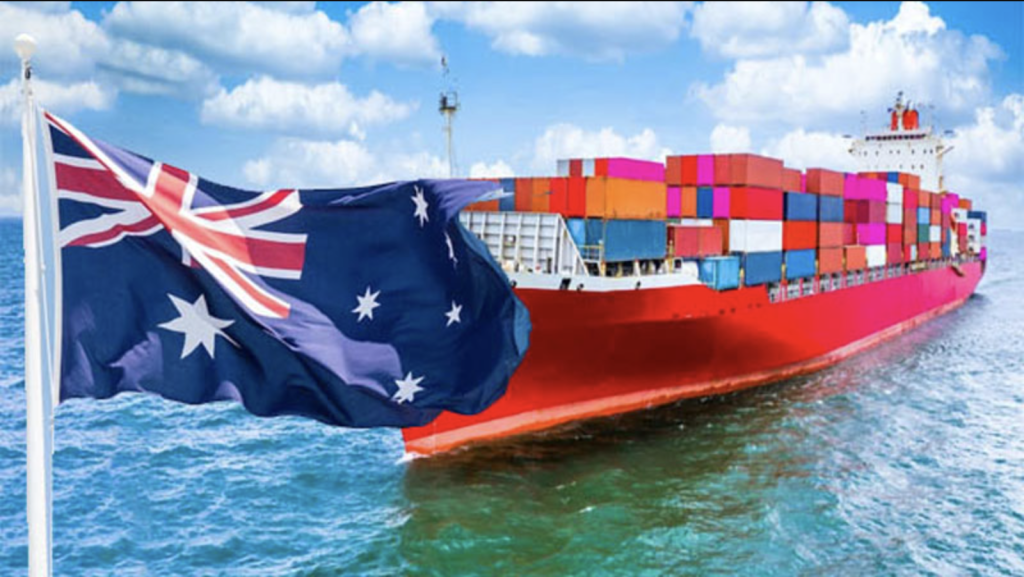
Exporting goods by sea continues to play a vital role in international trade thanks to its ability to handle large volumes at reasonable costs. For many import–export businesses in Vietnam, sea freight remains the primary transportation method for shipping goods to major markets such as the United States, Europe, the Middle East, and Asia.
However, entering 2026, the maritime transport market is being influenced by various factors, including global economic fluctuations, geopolitical tensions in certain regions, and changes in international supply chains. As a result, sea freight operations are experiencing notable shifts compared to previous years.
In particular, March 2026 is considered a period when the logistics market begins to regain momentum after the early-year slowdown. Therefore, staying updated on market conditions and understanding key considerations in sea transport shipping will help businesses minimize risks, optimize costs, and ensure delivery schedules.
Sea Freight Market Situation in March 2026
As of March 2026, the international shipping market is entering a more active phase following the early-year holiday season across many Asian countries. Export demand from major manufacturing hubs such as Vietnam, China, Thailand, and South Korea is rebounding, especially for goods like electronics, textiles, furniture, agricultural products, and consumer goods.
During this period, several key trends may directly impact export activities:
1. Rebound in shipping demand
After a slow start to the year, March typically marks a strong recovery in export activities. This leads to increased demand for container bookings and vessel schedules, particularly on routes to Europe, the United States, and the Middle East.
2. Fluctuations in ocean freight rates
Depending on routes and shipping lines, freight rates may adjust due to rising demand. Some long-haul routes may experience slight rate increases or additional surcharges.
3. Pressure on containers and vessel schedules at major ports
At major transshipment ports in Asia, increased export volumes may lead to schedule adjustments or delays. This requires businesses to plan proactively and secure bookings early.
4. Stricter control over documentation and cargo handling
As global supply chains place greater emphasis on transparency and safety, shipping lines and regulatory authorities are tightening controls on documentation, cargo information, and container packing standards.
Businesses must ensure accurate declarations to avoid transportation risks.
Overall, March is a favorable time to accelerate exports. However, businesses must closely monitor the shipping market to select suitable transport solutions and optimize logistics costs.
Impact of Geopolitical Instability and International Conflicts
Beyond market dynamics, global geopolitical developments are significantly affecting maritime transport in 2026. Tensions and conflicts in certain regions have impacted key shipping routes, forcing carriers to adjust their itineraries.
When strategic sea lanes face security risks or restrictions, vessels may be rerouted to longer, alternative paths. This can extend transit times and affect delivery schedules.
Additionally, geopolitical instability may lead to the introduction of extra charges such as:
- Maritime security surcharges
- War risk surcharges
- Fuel surcharges
These factors can increase overall logistics costs for exporters.
Therefore, staying informed and working closely with experienced logistics providers is essential for adjusting transport plans effectively.
Key Considerations When Exporting by Sea
Before executing export shipments, businesses should understand several critical factors in sea freight operations. These considerations help ensure better planning, reduce risks, and maintain delivery timelines.
Prepare complete export documentation
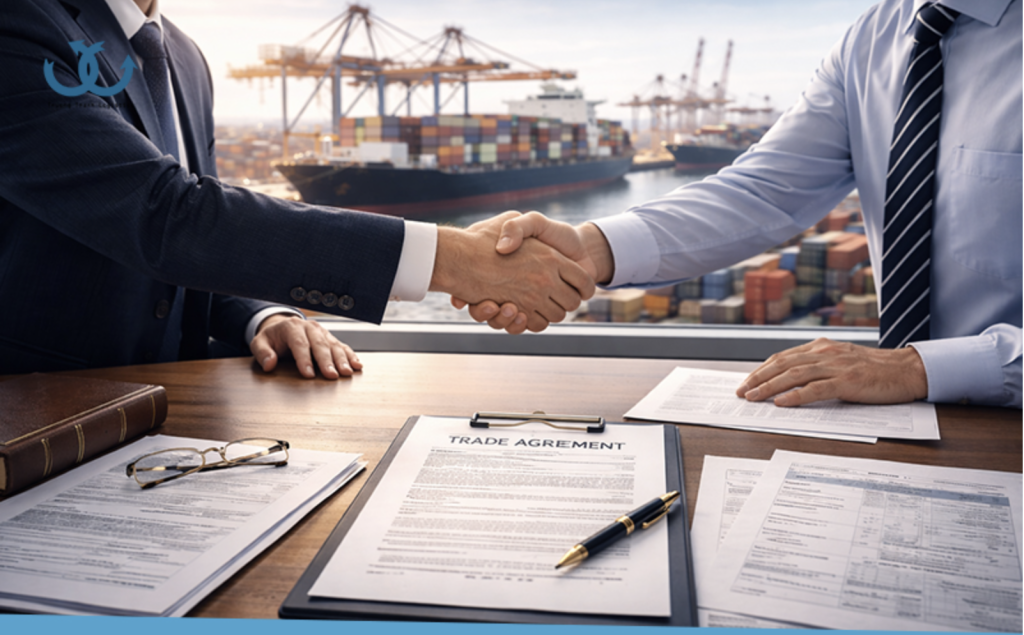
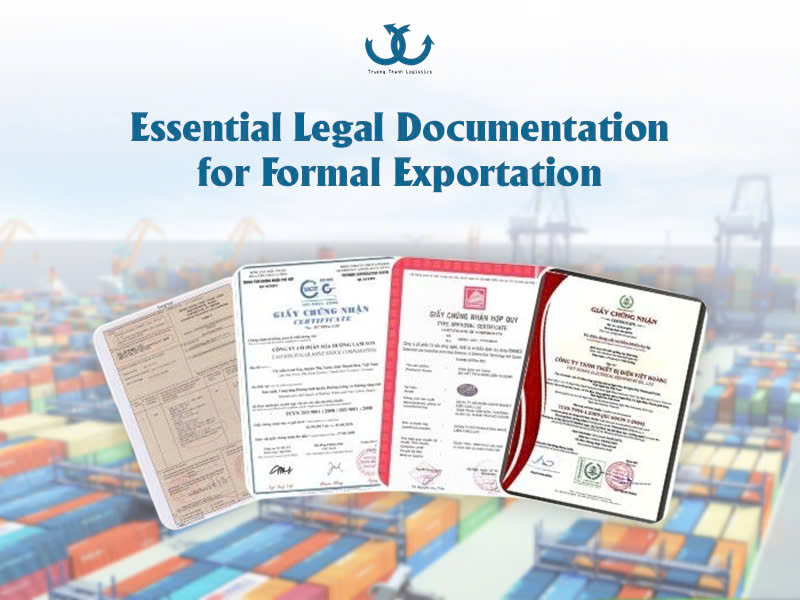
Documentation is a crucial component of export operations. A complete and accurate set of documents ensures smooth customs clearance and minimizes risks at ports.
Typical documents include:
- Sales contract
- Commercial invoice
- Packing list
- Bill of Lading
- Customs declaration
- Certificates of origin or quarantine documents (depending on goods)
Missing or incorrect information may result in cargo being held at port or incurring additional storage charges.
Choose the appropriate shipping method
Depending on cargo volume and characteristics, businesses can select:
- FCL (Full Container Load): suitable for large shipments, offering better control and reduced damage risk
- LCL (Less than Container Load): cost-effective for smaller shipments
For specialized cargo such as refrigerated goods, fragile items, or oversized cargo, appropriate container types and transport solutions must be selected to ensure quality.
Monitor vessel schedules and book early
During peak demand periods, early booking is essential to secure shipping schedules.
Businesses should:
- Track vessel schedules regularly
- Stay updated with shipping line announcements
- Coordinate with logistics providers to handle schedule changes or surcharges

Check import regulations of destination countries
Each country has its own regulations regarding product standards, quarantine, and labeling.
Before exporting, businesses must thoroughly review destination requirements to avoid risks such as:
- Cargo being held at port
- Shipment rejection
- Mandatory destruction
Agricultural products, food, wood, and natural-origin goods are often subject to strict inspection and certification requirements.
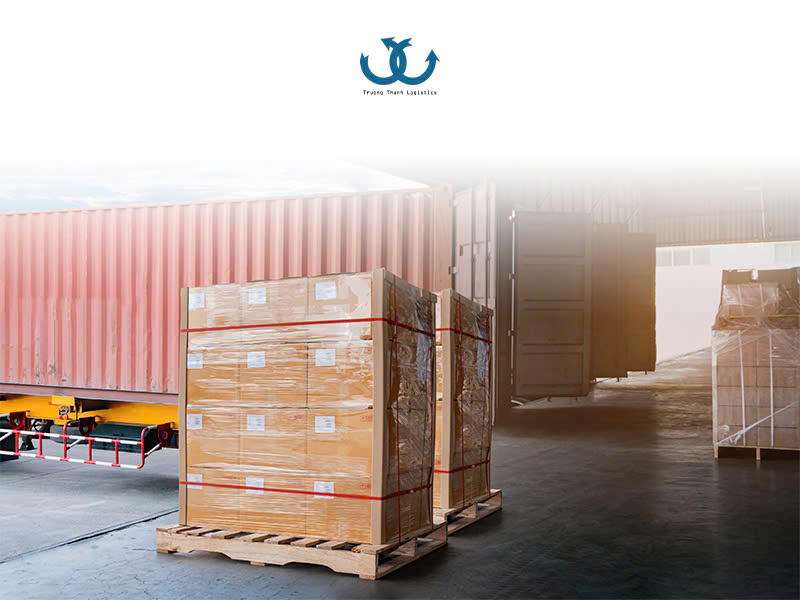
Ensure proper cargo packaging
Sea transport can take days or weeks, so proper packaging is essential to prevent:
- Physical damage
- Moisture exposure
- Quality deterioration
Recommended measures include:
- Using pallets
- Applying shockproof and moisture-resistant materials
- Reinforcing packaging for heavy or fragile goods
- Clearly labeling handling instructions
Accurately estimate logistics costs
Sea freight costs include more than just shipping rates. Additional expenses may include:
- Port charges
- Documentation fees
- Container cleaning fees
- Demurrage and detention charges
- Various surcharges
Accurate cost estimation helps businesses manage budgets and avoid unexpected expenses.
Effective Sea Freight Solutions with Truong Thanh Logistics
In a rapidly evolving global logistics environment, choosing a reliable logistics partner is essential. A professional provider not only ensures safe transportation but also helps optimize costs, maintain schedules, and resolve issues efficiently.
With extensive experience in international freight forwarding, Truong Thanh Logistics offers comprehensive sea freight solutions tailored to diverse export needs. Services cover the entire process—from transport planning and documentation to customs clearance, shipment tracking, and port handling.
Tailored transport solutions for each type of cargo
Each type of cargo has unique requirements in terms of size, weight, storage conditions, and handling.
Truong Thanh Logistics helps businesses:
- Analyze shipment characteristics
- Select appropriate container types
- Choose optimal shipping routes
- Determine suitable transport methods
Large shipments benefit from FCL for better control, while smaller shipments can use LCL to optimize costs.
Specialized solutions are also available for:
- Refrigerated goods
- Fragile items
- Oversized or heavy cargo
Professional documentation and customs support
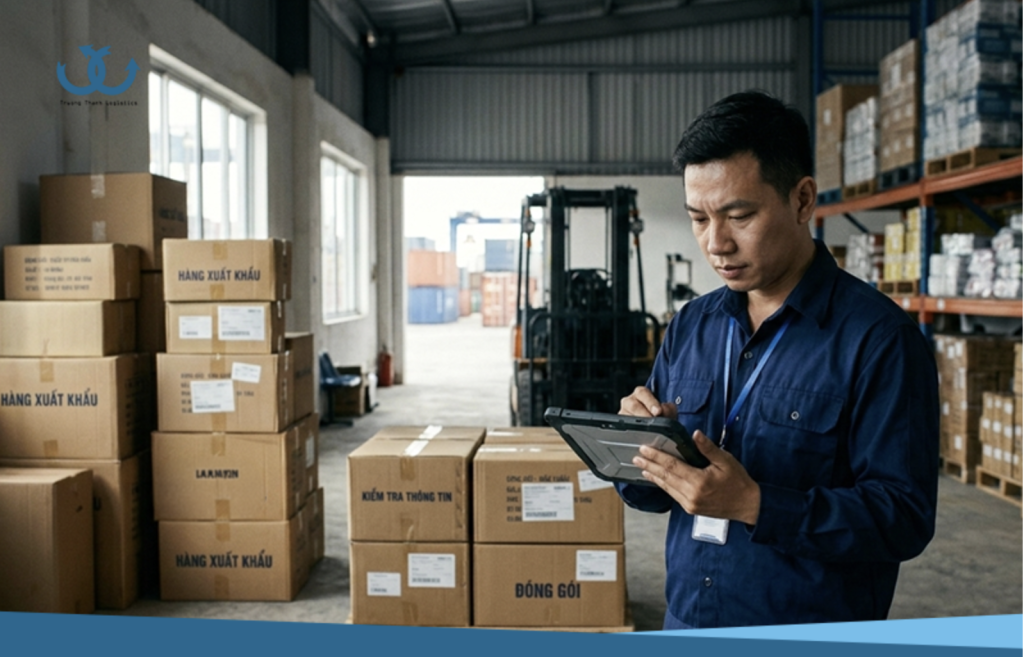
Documentation is one of the most critical aspects of export operations. Errors can lead to delays and additional costs.
The team at Truong Thanh Logistics supports businesses in preparing and verifying all required documents, including:
- Commercial invoices
- Packing lists
- Bills of Lading
- Customs declarations
- Certificates of origin
- Quarantine and inspection documents
This ensures faster and smoother customs clearance.
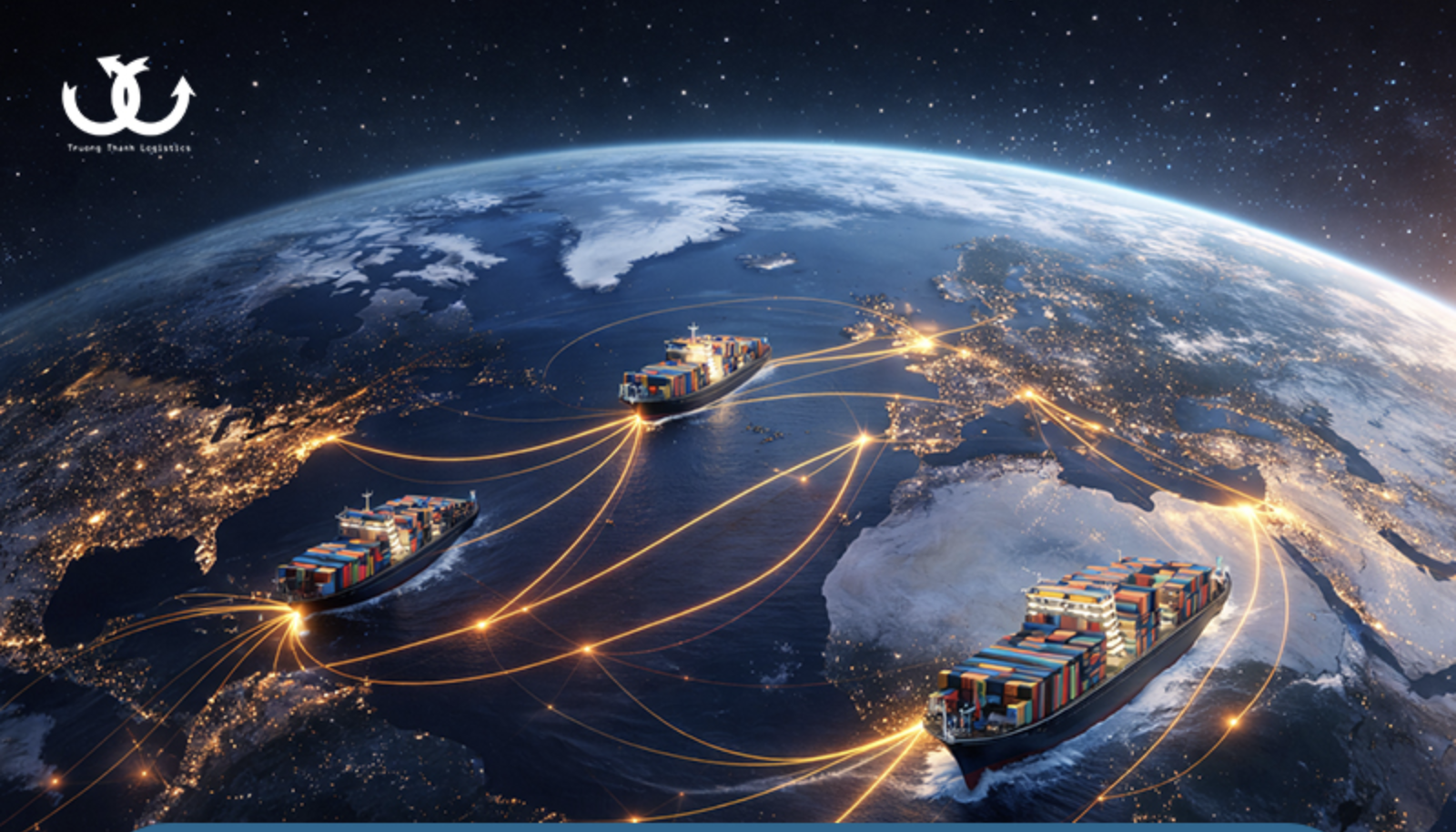
Extensive global shipping network
Truong Thanh Logistics collaborates with reputable shipping lines and international partners, offering:
- Multiple route options
- Flexible schedules
- Competitive freight rates
The company supports shipments to Asia, Europe, the United States, the Middle East, and other global markets.

Shipment tracking and issue handling
Tracking cargo throughout transit is essential for effective logistics management.
Truong Thanh Logistics provides:
- Regular shipment updates
- Coordination with destination agents
- Prompt handling of delays or schedule changes
This minimizes disruptions and ensures timely delivery.
Long-term partnership for export growth
Beyond transportation, Truong Thanh Logistics acts as a strategic partner, helping businesses:
- Optimize logistics costs
- Stay updated on market trends
- Develop efficient transport strategies
With an experienced team, professional processes, and a strong global network, Truong Thanh Logistics is committed to delivering fast – safe – cost-effective shipping solutions, supporting businesses in expanding exports and achieving sustainable growth in international markets.
Trường Thành Logistics – Professional & Dedicated
Hotline: +84 915 36 38 39
Head Office: 5th Floor, Tower A, Song Da Building, Pham Hung Street, Tu Liem Ward, Hanoi, Vietnam.
Email: sale@truongthanhjsc.com
info@truongthanhlogistics.com
Website: https://truongthanhlogistics.com
HAI PHONG BRANCH
Address: Room C103, TTC Building, 630 Le Thanh Tong Street, Hai An Ward, Hai Phong City, Vietnam.
DA NANG BRANCH
Address: 126 Chau Thi Vinh Te Street, Ngu Hanh Son Ward, Da Nang City, Vietnam.
HO CHI MINH CITY BRANCH
Address: Room 41, 4th Floor, Casanova Building, 85 Nguyen Son Street, Phu Thanh Ward, Ho Chi Minh City, Vietnam