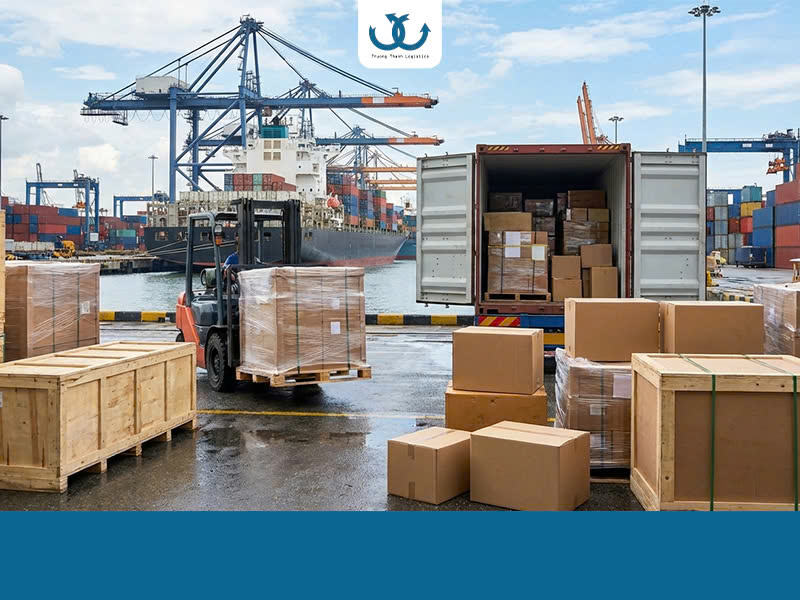
The demand for importing ornamental plants, pets, ornamental birds, aquatic species, and special animals into Vietnam is increasing rapidly.
However, these are sensitive categories subject to strict regulations on quarantine, conservation, and biosafety.
Even a minor mistake in documentation or transportation procedures can result in shipment detention, extended quarantine periods, or even forced re-export.
Therefore, choosing a logistics provider with strong legal expertise and experience in handling live cargo is a critical factor.
>>>View More: Entrusted Import-Export
1. Why are import procedures for plants and animals so complex?
In international trade, ornamental plants and live animals are classified as special regulated goods. Unlike regular cargo, these items involve biological factors and may carry pathogens, invasive species, or pose direct risks to ecosystems, agriculture, and public health.
For this reason, import procedures for plants and animals are significantly more complex than for other types of goods. This complexity arises from legal, biological, and specialized regulatory requirements.
1.1. Directly related to quarantine and biosafety
Ornamental plants and live animals may:
- Carry pests, fungi, or bacteria
- Harbor infectious diseases
- Spread diseases to domestic crops and livestock
Therefore, before being allowed for import, shipments must:
- Obtain a phytosanitary or veterinary certificate from the exporting country
- Register for quarantine inspection in Vietnam
- Undergo physical inspection by competent authorities
These controls are essential to protect domestic agriculture and ecosystems from biological risks.

1.2. Subject to multiple regulatory authorities
Unlike general consumer goods, plants and animals may be regulated simultaneously by several authorities, including:
- Ministry of Agriculture and Rural Development (MARD)
- Plant Protection Department
- Department of Animal Health
Depending on the type of goods (plants, seeds, pets, aquatic species, etc.), businesses may be required to:
- Obtain import permits in advance
- Register for quarantine
- Conduct sampling and testing
- Undergo quarantine monitoring
Coordination between multiple authorities makes the process longer and requires more stringent documentation.
1.3. Risks related to invasive species
Certain plant and animal species may:
- Grow aggressively in natural environments
- Outcompete native species
- Disrupt ecological balance
As a result, some species are:
- Prohibited from import
- Restricted
- Allowed only under specific conditions
Businesses must carefully check permitted lists before signing import contracts. Importing prohibited species may result in forced re-export or destruction.
1.4. Strict documentation requirements
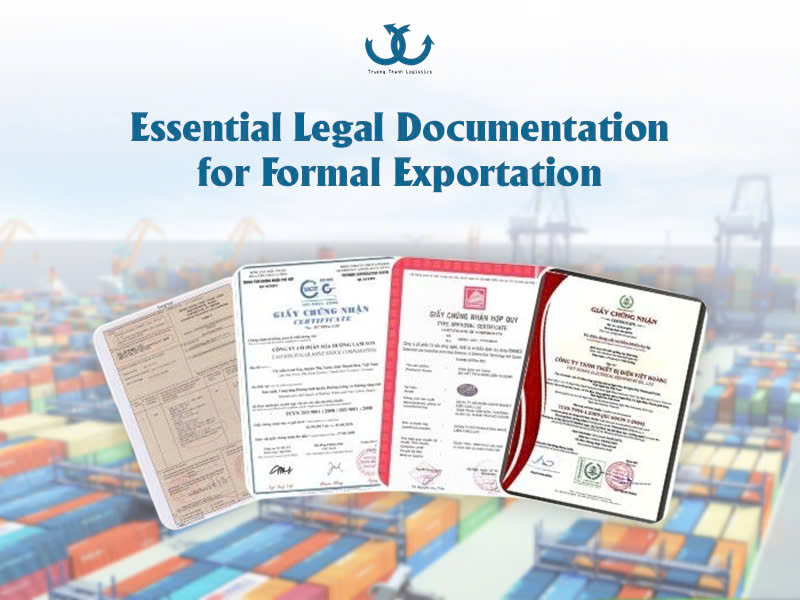
Import documentation for plants and animals typically includes:
- Commercial contract
- Invoice and Bill of Lading
- Quarantine certificate from the exporting country
- Import permit (if applicable)
- Quarantine registration dossier in Vietnam
- Customs declaration
Even a minor error, such as incorrect scientific naming (species or Latin name), may lead to shipment detention for verification.
1.5. Physical inspection and quarantine procedures
Unlike many goods that can be cleared immediately, plants and live animals often require:
- 100% physical inspection
- Sampling and laboratory testing
- Quarantine monitoring
Inspection time can range from several days to several weeks, depending on the type of goods and associated biological risks.
This significantly impacts:
- Warehousing costs
- Care and maintenance expenses
- Survival rates of plants and animals
1.6. Special transportation and handling requirements
Live plants and animals require:
- Controlled temperature conditions
- Adequate ventilation
- Continuous care during transit
If logistics conditions are not properly maintained, goods may:
- Die
- Deteriorate in quality
- Fail quarantine requirements
Therefore, importing these goods is not just about documentation but also a specialized logistics challenge.
1.7. High risks of non-compliance
Due to the sensitive nature of these goods, regulatory violations may lead to:
- Administrative penalties
- Forced re-export
- Mandatory destruction
- Damage to business reputation
Particularly for protected or wildlife species, violations may result in severe legal consequences.
2. Importing ornamental plants: Mandatory requirements
Importing ornamental plants involves strict control over phytosanitary measures, biosafety, and specialized management to protect domestic agriculture and ecosystems.
Imported plants may include:
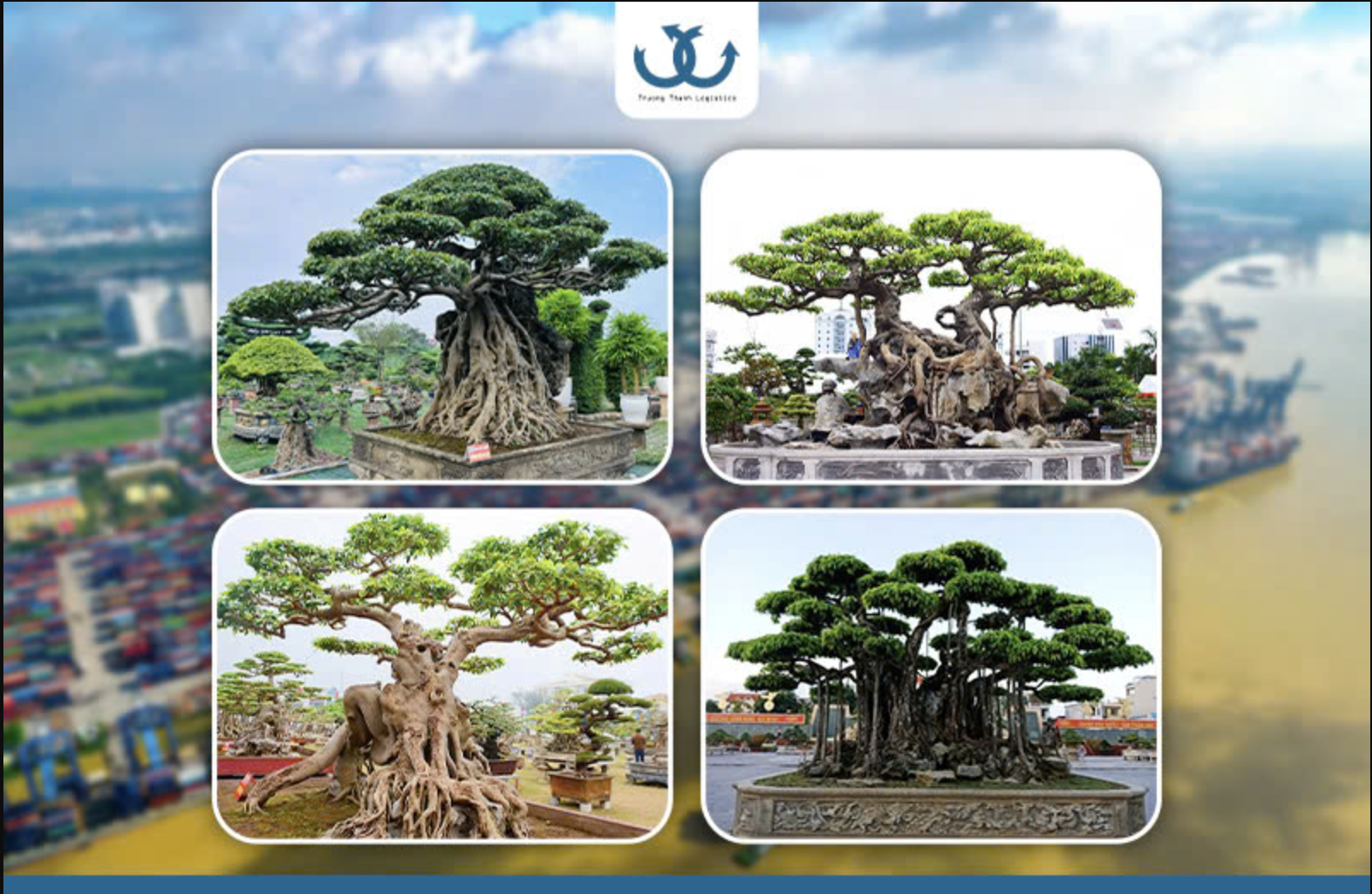
- Bonsai
- Indoor plants
- Seedlings
- Seeds
- Orchids, cacti, rare plants
To ensure smooth customs clearance, businesses must meet the following requirements:
2.1. Required documentation
Typically includes:
- Phytosanitary import permit
- Phytosanitary certificate from exporting country
- Invoice and Packing List
- Bill of Lading
- Commercial contract
- CITES permit (if applicable)
2.2. Phytosanitary inspection in Vietnam
Upon arrival at ports/airports, authorities will:
- Review documentation
- Conduct physical inspection
- Take samples for testing (if necessary)
- Issue compliance certification
If pests or discrepancies are detected, the shipment may be handled according to regulations.
3. Importing live animals: A more stringent process
Compared to plants, importing live animals involves much stricter and more complex controls due to the risk of infectious diseases affecting humans, livestock, and national biosecurity.
The process includes not only documentation checks but also disease risk assessment, quarantine, veterinary supervision, and post-clearance monitoring.
Imported animals may include:
- Dogs and cats
- Ornamental birds
- Ornamental fish and aquatic species
- Reptiles and special animals
3.1. Mandatory requirements
- Animal import permit
- Quarantine certificate from exporting country
- Vaccination records (for pets)
- Proof of legal origin
- CITES permit (if applicable)
3.2. Procedures upon arrival in Vietnam
- Customs declaration
- Quarantine document inspection
- Mandatory quarantine period
- Issuance of circulation permit
Proper and timely handling of documentation helps reduce quarantine time and protect animal health.
4. Common risks when handling procedures independently
Many businesses, especially newcomers, attempt to handle import procedures themselves to save costs. However, due to strict regulations and multi-agency involvement, lack of experience can lead to serious risks.
Common issues include:
- Applying for incorrect permits
- Missing quarantine documents
- Failure to check CITES lists
- Delayed quarantine registration
- Additional storage and demurrage costs
For live cargo, even a single day of delay can significantly affect quality and value.
5. Truong Thanh Logistics – End-to-end solutions for importing plants and animals
Importing ornamental plants and live animals is one of the most complex sectors in international trade. It requires not only legal compliance but also strict control over quarantine, transportation, and handling.
With extensive experience and a professional team, Truong Thanh Logistics provides comprehensive solutions to minimize risks, save time, and optimize costs.
5.1. Legal consultation and import eligibility assessment
We support clients in:
- Verifying whether species are permitted for import
- Checking regulatory lists
- Determining licensing requirements
- Assessing biological risks and quarantine conditions
Early-stage review helps avoid situations where goods arrive but cannot be cleared.
5.2. Fast import licensing support
We represent clients in:
- Preparing application dossiers
- Drafting official documents
- Submitting and tracking applications
- Handling additional requirements
Regular work with authorities such as the Plant Protection Department and Department of Animal Health ensures faster processing and fewer errors.
5.3. Full-service quarantine handling
We directly:
- Register quarantine before arrival
- Coordinate inspections at ports
- Monitor sampling and testing
- Support disinfection if required
For live animals requiring quarantine, we provide guidance on:
- Quarantine facility conditions
- Estimated timelines
- Health monitoring documentation
5.4. Optimized logistics for live cargo
We design tailored transport solutions:
- Air freight for time-sensitive animals
- Specialized containers with temperature control
- International-standard packaging guidance
- Continuous shipment tracking
5.5. Accurate customs declaration and authority representation
We handle:
- HS code classification
- Complete customs documentation
- Representation during inspections
In case of in-depth inspections by customs authorities, our experts manage the process to ensure smooth clearance.
5.6. Cost control and risk mitigation
We help clients:
- Estimate quarantine timelines accurately
- Forecast storage and handling costs
- Avoid penalties due to missing documents
- Minimize risks of re-export or destruction
5.7. Long-term partnership
Beyond individual shipments, we:
- Advise on building standardized import processes
- Help structure internal documentation systems
- Update regulatory changes
- Conduct periodic compliance reviews
Conclusion
Importing ornamental plants and live animals requires specialized expertise and practical experience. Even a minor error can result in delays, additional costs, or legal risks.
With end-to-end solutions covering legal consultation, licensing, quarantine, transportation, and customs clearance, Truong Thanh Logistics delivers:
- Clear processes
- Optimized timelines
- Comprehensive risk control
- Peace of mind for every shipment
Choosing a professional partner is a strategic step toward safe, efficient, and sustainable import operations.
Trường Thành Logistics – Professional & Dedicated
Hotline: +84 915 36 38 39
Head Office: 5th Floor, Tower A, Song Da Building, Pham Hung Street, Tu Liem Ward, Hanoi, Vietnam.
Email: sale@truongthanhjsc.com
info@truongthanhlogistics.com
Website: https://truongthanhlogistics.com
HAI PHONG BRANCH
Address: Room C103, TTC Building, 630 Le Thanh Tong Street, Hai An Ward, Hai Phong City, Vietnam.
DA NANG BRANCH
Address: 126 Chau Thi Vinh Te Street, Ngu Hanh Son Ward, Da Nang City, Vietnam.
HO CHI MINH CITY BRANCH
Address: Room 41, 4th Floor, Casanova Building, 85 Nguyen Son Street, Phu Thanh Ward, Ho Chi Minh City, Vietnam