Formal exportation is a vital step for enterprises to access international markets legally, sustainably, and long-term. However, unlike simpler trading methods, formal export requires a comprehensive and accurate set of legal documents that comply with Vietnamese laws and the specific requirements of the importing country.
In practice, many shipments experience customs delays, incur surcharges, or are even rejected due to missing or inaccurate documentation. Therefore, mastering the list of required legal documents is a prerequisite before initiating any export activity.
In the following article, Truong Thanh Logistics outlines the essential legal documentation categories typically applied to formal export activities.
1. Legal Dossier of the Exporting Enterprise
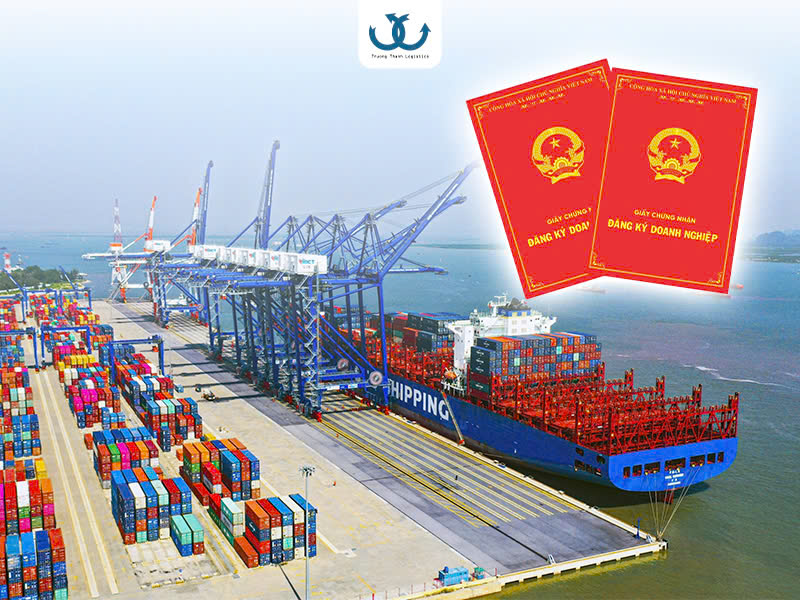
First, the enterprise must establish its legal status to conduct formal export activities. The basic dossier includes:
- Business Registration Certificate (with registered import-export business lines).
- Tax Identification Number (TIN).
- Digital Signature for electronic customs declaration.
- Registered Account on the VNACCS/VCIS customs system.
This serves as the legal foundation for the enterprise to act as the declarant on export declarations or to enter legal export entrustment agreements.
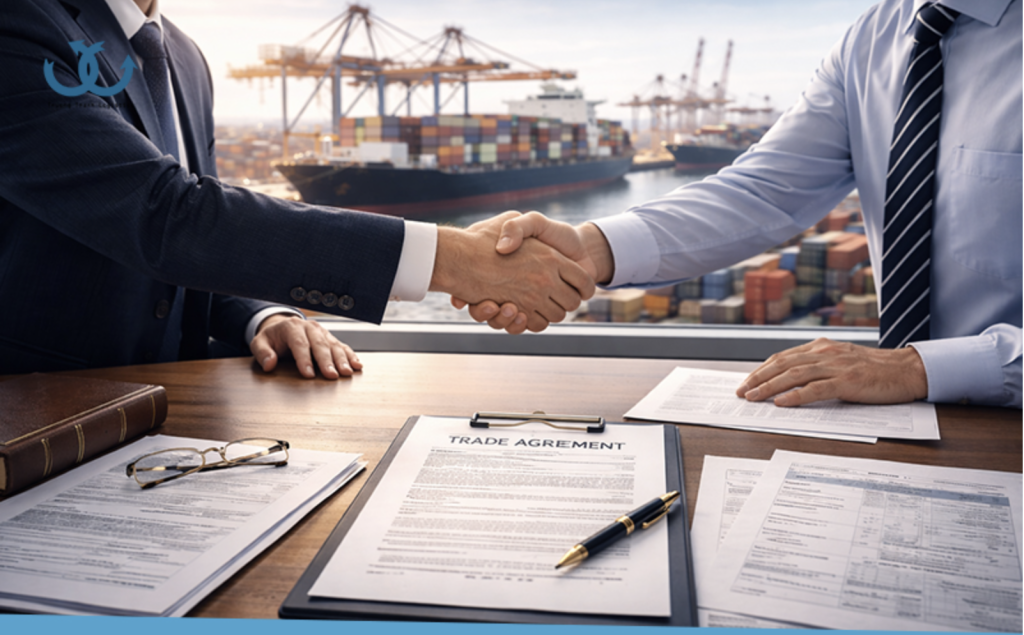
2. Sales Contract (International Purchase Agreement)
The Sales Contract is the core document establishing the commercial relationship between the Exporter and the Importer. A valid export contract must clearly specify:
- Legal information of both parties.
- Commodity description, specifications, quantity, and quality.
- Contract value and payment terms.
- Incoterms (Delivery conditions).
- Delivery schedule and transport mode.
- Liability clauses and dispute resolution mechanisms.
3. Commercial Invoice
The Commercial Invoice is issued by the exporter, reflecting the actual commercial value of the shipment. Information on the invoice must be consistent with the contract and customs declaration, including:
- Names and addresses of the Seller and Buyer.
- Item names, quantities, unit prices, and total value.
- Delivery and payment terms. This is the primary basis for Customs to determine the customs value of the exported goods.
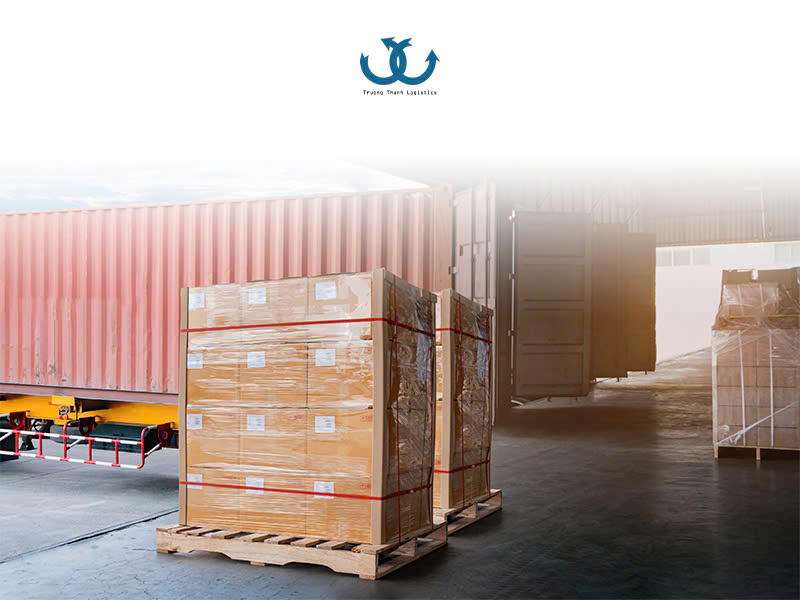
4. Packing List
The Packing List details the method of packaging, assisting customs authorities and carriers in inspection and verification. Content typically includes:
- Number of packages/cartons.
- Net weight and Gross weight.
- Packaging specifications.
- Shipping marks for each package. The Packing List must align perfectly with the actual goods to avoid unnecessary physical inspections (Red Lane).
5. Export Customs Declaration
This is a mandatory document for formal export, declared electronically on the national customs system. Key declaration details:
- Exporting enterprise information.
- HS Codes of the commodities.
- Quantity and total shipment value.
- Export duties (if applicable).
- Port of exit and transport mode. Note: Incorrect HS Code classification or inaccurate declarations can lead to administrative penalties or customs clearance stagnation.
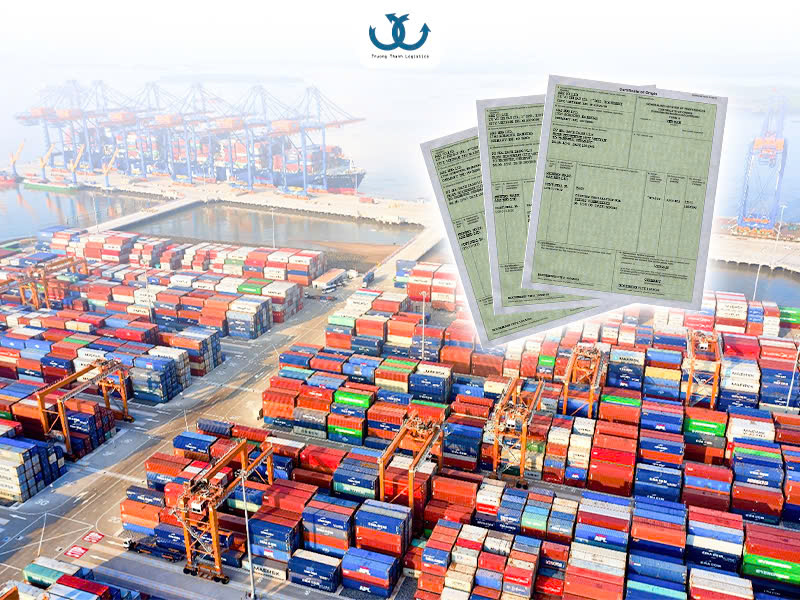
6. Certificate of Origin (C/O)
A C/O confirms the source of the goods and is typically required to:
- Benefit from Preferential Tariffs in the importing country.
- Comply with origin control regulations. Depending on the target market, enterprises may need various forms such as: Form E, D, AK, AJ, CPTPP, EUR.1, etc.
7. Specialized Inspection Dossiers (If applicable)
Specific commodity groups must undergo specialized inspections before export, such as:
- Phytosanitary or Veterinary certificates.
- Food Safety certification.
- Quality certification or technical standard compliance.
- Export Licenses for restricted or specially managed goods.
8. International Transport Documents
Depending on the mode of transport, the enterprise requires:
- Ocean Bill of Lading (B/L).
- Air Waybill (AWB).
- Road or Railway consignment notes.
9. International Payment Dossier
To ensure legal and transparent cash flow, enterprises should note:
- Payment methods as per contract (T/T, L/C, etc.).
- Related bank transfer receipts/swift messages.
- Payment reconciliation records for tax finalization.
Truong Thanh Logistics – A Prestigious Formal Export Entrustment Partner
Many enterprises struggle with formal export due to unfamiliarity with documentation workflows, lack of practical experience, or outdated knowledge of customs regulations.
With over 10 years of experience in the logistics and import-export sector, Truong Thanh Logistics provides a comprehensive Formal Export Entrustment service. We help businesses export safely, compliously, and efficiently.
Why Choose Truong Thanh Logistics?
- Expert Consultation: Detailed legal document checklists tailored to each commodity.
- Document Auditing: Review and standardization of all documents before export.
- Full Execution: Handling customs declarations, C/O applications, and specialized inspections.
- Legal Representation: Acting as the legal authorized exporter for entrustment.
- Risk Mitigation: Minimizing potential issues during the customs clearance process.
Preparing a complete legal dossier is the “key” to successful formal exportation. Doing it right from the start saves time, reduces costs, and avoids unnecessary risks.
Are you preparing to export but feel overwhelmed by procedures and policies? Contact Truong Thanh Logistics today for:
- Detailed legal document consultation per item.
- Formal export feasibility assessment.
- Transparent, compliant, and end-to-end export entrustment support.
Truong Thanh Logistics – Your partner on the journey toward safe and sustainable formal exportation.