Sea transportation to Australia and New Zealand has become a preferred option for many Vietnamese businesses thanks to its cost efficiency, large cargo capacity, and stable sailing schedules. As trade between Vietnam and Oceania continues to grow, understanding the shipping process and logistics solutions will help businesses optimize lead time, minimize risks, and enhance export efficiency.
1. Market potential of Australia and New Zealand
In Vietnam’s export expansion strategy toward Oceania, Australia and New Zealand are considered stable markets with strong purchasing power and transparent trade environments. These markets are ideal for businesses seeking sustainable growth instead of focusing solely on traditional markets such as the United States or Europe.
Below are the key factors contributing to their strong potential.
1.1 High income levels and stable demand
Australia and New Zealand are among the countries with high GDP per capita, well-developed social welfare systems, and stable living standards. Consumers in these markets are willing to pay for:
- High-quality products
- Safe food with clear traceability
- Sustainable and environmentally friendly goods
In particular, the growing Asian community in Australia creates additional demand for products originating from Vietnam.
1.2 Strong import demand
Due to relatively small populations and high domestic production costs, both countries rely significantly on imports. Many categories such as consumer goods, food products, furniture, and industrial goods are sourced from Asian countries, including Vietnam.
This gap between domestic supply and demand creates clear opportunities for exporters:
- Year-round stable supply
- Participation in retail distribution chains
- Long-term contracts with importers
1.3 Transparent and well-defined quality standards
A major advantage when trading with Australia and New Zealand is their transparent regulatory systems and clearly defined compliance requirements. Businesses can:
- Easily access technical requirements
- Prepare documentation correctly from the beginning
- Reduce the risk of sudden policy changes
Although import standards are strict, meeting them helps businesses build long-term credibility in the market.
1.4 Competitive Vietnamese export products
Vietnamese products currently have strong competitiveness in these markets, including:
Agricultural products and processed foods
- Coffee, cashew nuts, pepper
- Processed fruits and packaged foods
- Spices and Asian specialty products
The trend toward convenient and multicultural food consumption supports deeper market penetration.
Frozen seafood
- Shrimp, pangasius, tuna
- Value-added processed products
Vietnam has advantages in raw materials and internationally compliant processing capacity.
Wood and furniture
- Household wooden products
- Ready-to-assemble furniture
- Decorative items
Australia has strong demand for imported furniture, especially in the mid-range and affordable segments.
Textiles and consumer goods
- Apparel and accessories
- Household goods
- Daily-use products
Competitive pricing and flexible production enable Vietnamese businesses to serve diverse market segments.
1.5 Favorable geographic distance for sea freight
Compared to Europe or North America, the distance from Vietnam to Australia and New Zealand is significantly shorter. This offers several advantages:
- Faster sea transit times
- Lower logistics costs
- Better control of delivery schedules
Average transit time ranges from approximately 2–3 weeks depending on the destination port, allowing businesses to plan production and delivery more efficiently.
2. Why choose sea freight?
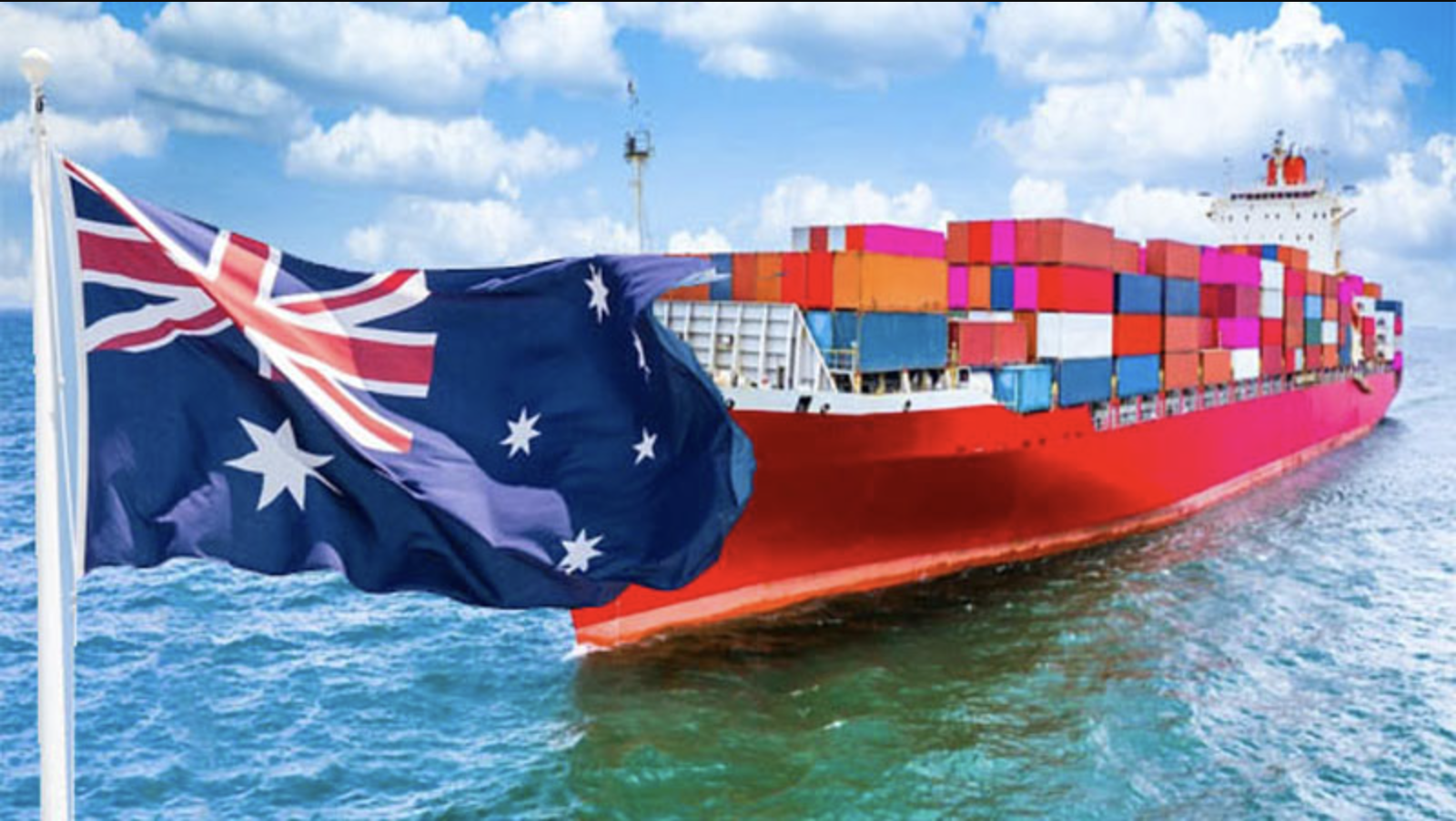
When exporting to Australia and New Zealand, businesses can choose between air freight and sea freight. However, for most commercial shipments—especially large-volume or regular exports—sea freight remains the optimal solution in terms of cost, capacity, and reliability.
2.1 Cost optimization for large shipments
Cost is a key factor in export pricing. Compared to air freight, sea freight:
- Is significantly cheaper per volume or weight
- Is suitable for heavy and bulky cargo
- Is highly efficient for Full Container Load (FCL) shipments
For products such as furniture, agricultural goods, frozen seafood, and bulk consumer goods, sea freight helps maintain competitive pricing in the destination market.
2.2 Flexible cargo capacity
Sea freight offers multiple options depending on shipment size:
- FCL (Full Container Load): for full-container shipments
- LCL (Less than Container Load): for smaller shipments
- Reefer containers: for frozen food and seafood
- Special containers: for oversized or heavy cargo
This flexibility allows businesses to optimize costs based on each shipment.
2.3 Stable schedules and established routes
Sea freight routes from Vietnam to Australia and New Zealand are well-developed, with weekly sailings. This enables businesses to:
- Plan production and delivery effectively
- Book space according to contract timelines
- Avoid capacity shortages common on less-developed routes
Transit times are reasonable and suitable for standard commercial contracts.
2.4 Suitable for Vietnam’s export profile
Most Vietnamese exports to these markets include:
- Agricultural and processed food products
- Frozen seafood
- Furniture and wood products
- Textiles and consumer goods
These products typically do not require urgent delivery, making sea freight a cost-effective and practical option.
2.5 Fewer limitations on weight and dimensions
Air freight often imposes strict limits on:
- Maximum weight
- Cargo dimensions
- Packaging requirements
In contrast, sea freight can handle large volumes and oversized cargo more efficiently, which is particularly important for furniture, machinery, and palletized goods.
2.6 Long-term scalability and stability
For businesses planning long-term exports, sea freight provides a sustainable logistics foundation:
- Easier to establish long-term shipping contracts
- More stable costs in the medium term
- Scalable as export volumes grow
As volumes increase, businesses can transition from LCL to FCL for further cost optimization.
3. Sea freight shipping process
To ensure fast and smooth delivery, businesses should follow these steps:
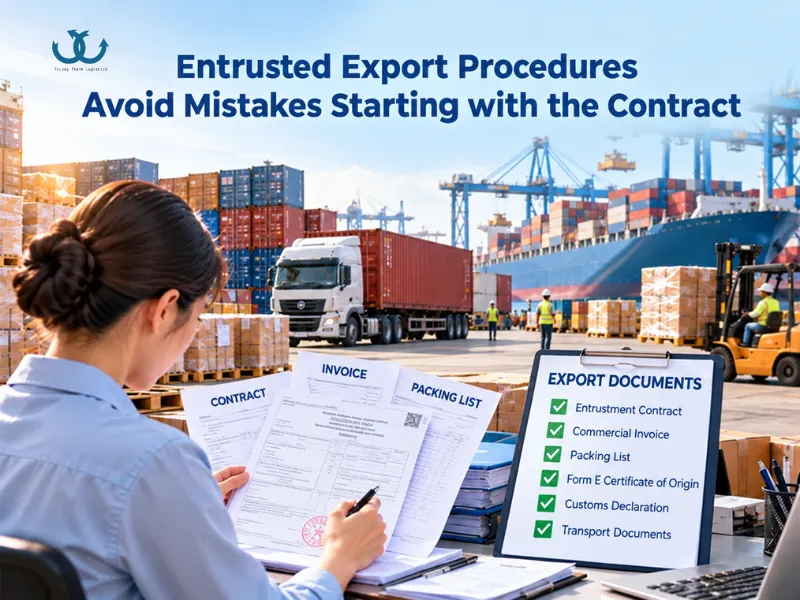
Step 1: Prepare documentation
- Commercial contract
- Invoice
- Packing List
- Bill of Lading
- Certificate of Origin (if required)
Step 2: Check product regulations
Australia and New Zealand have strict requirements regarding:
- Phytosanitary inspection
- Food safety
- Wood-based products
Ensure compliance before shipment.
Step 3: Booking and cargo handling
- Book space with shipping lines
- Pack goods according to standards
- Seal containers
Step 4: Customs declaration and shipment tracking
Accurate customs declaration helps reduce clearance time and minimize inspections.
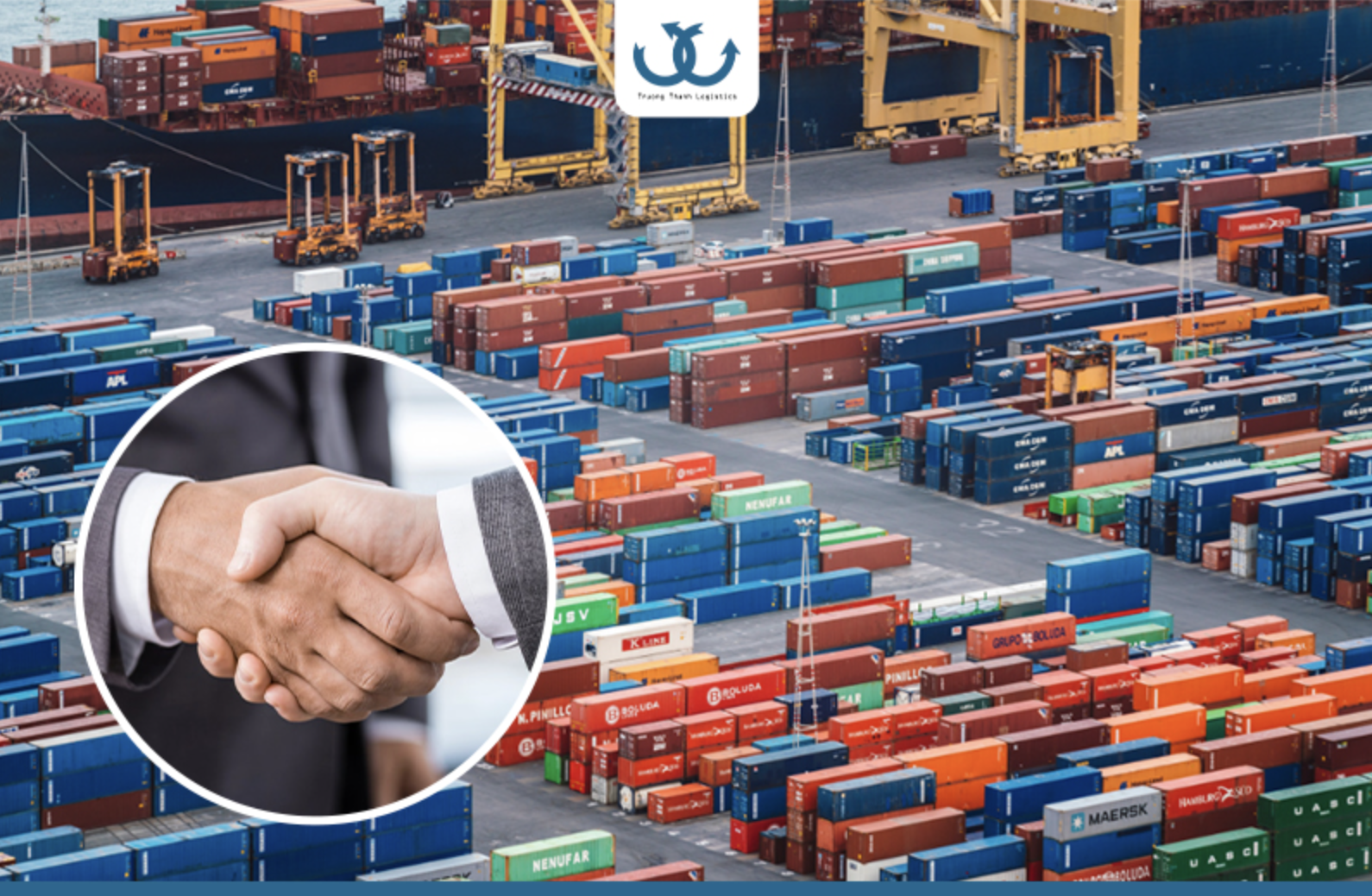
4. Fast and convenient logistics solutions with Truong Thanh Logistics
Shipping to Australia and New Zealand by sea requires close coordination across documentation, customs clearance, booking, and shipment tracking. Without proper experience, businesses may face delays, demurrage costs, or late delivery.
With extensive experience in Oceania routes, Truong Thanh Logistics provides end-to-end solutions to ensure fast, efficient, and risk-controlled export processes.
4.1 Policy consultation and document verification
We support clients by:
- Reviewing HS codes and product regulations
- Advising on quarantine and fumigation requirements (especially for wooden pallets)
- Ensuring consistency across invoice, packing list, and contracts
- Guiding Certificate of Origin preparation
4.2 Flexible FCL and LCL solutions
We offer:
- FCL services for large shipments
- LCL services for smaller volumes
- Reefer containers for frozen goods
- Specialized containers for specific cargo
4.3 Fast booking and stable schedules
With a strong network of shipping lines and agents, we:
- Secure space during peak seasons
- Provide accurate sailing schedules
- Monitor cut-off and departure times
- Minimize delays
4.4 Efficient customs clearance support
We handle:
- Accurate electronic customs declarations
- Coordination during inspections (if any)
- Continuous clearance status tracking
4.5 End-to-end shipment tracking
We:
- Monitor shipments throughout transit
- Coordinate with destination agents
- Handle documentation issues if required
4.6 Cost optimization and long-term efficiency
We help businesses:
- Reduce demurrage and storage costs
- Minimize documentation errors
- Optimize recurring export plans
- Build stable supply chains to Australia and New Zealand
Sea freight to Australia and New Zealand can be fast and efficient when properly organized from the beginning.
With comprehensive, flexible, and professional logistics solutions, Truong Thanh Logistics serves as a reliable partner to help businesses optimize lead time, control costs, and enhance long-term export performance.
Trường Thành Logistics – Professional & Dedicated
Hotline: +84 915 36 38 39
Head Office: 5th Floor, Tower A, Song Da Building, Pham Hung Street, Tu Liem Ward, Hanoi, Vietnam.
Email: sale@truongthanhjsc.com
info@truongthanhlogistics.com
Website: https://truongthanhlogistics.com
HAI PHONG BRANCH
Address: Room C103, TTC Building, 630 Le Thanh Tong Street, Hai An Ward, Hai Phong City, Vietnam.
DA NANG BRANCH
Address: 126 Chau Thi Vinh Te Street, Ngu Hanh Son Ward, Da Nang City, Vietnam.
HO CHI MINH CITY BRANCH
Address: Room 41, 4th Floor, Casanova Building, 85 Nguyen Son Street, Phu Thanh Ward, Ho Chi Minh City, Vietnam